The Fragility of Belonging: Why safety, solidarity, and unity are leadership choices in 2026

One of my first insights about belonging at New Ways came from interviewing a senior coach in elite sport who said to me, ‘I’m choosing not to belong.’ She was taking back her energy and effort and channeling it into her own peace. It was protection and power, she said, as she sat as a rare Black face, and one of a few women, in rooms full of men. That sentence stayed with me because it names that belonging is a two way thing. We have to create conditions for people to belong and they have to choose to step in to co-create it. So it needs trust, care, honesty, transparency and our humanity.
In so many spaces our work touches right now we’re witnessing how fragile belonging can be, and there are some uncomfortable truths we must face around this.
There is of course the bigger reality of ‘who belongs’ hanging over the UK and USA especially as the rise of the far right and their ideas of who gets to belong weigh heavy on all marginalised folk. The levels of legitimised racism and white supremacy are off the scale, which we should all be deeply concerned by. I suspect many are already wondering how much of the US playbook Reform might borrow and try to replicate.
There is also the fragility of belonging that shows up closer to home, inside organisations that say they stand for justice, and are operating in a world where those ‘over there’ issues are actually ‘in here’ too. We are seeing trust fracture through silence, shutdown, and dismissal, particularly relating to Palestine, across charities, education, cultural institutions, and companies. As one person put it to me: "You don’t get to say you’re on an anti-racism journey, and then pick and choose when you stand for justice and when you don’t."
There is a void of visible leadership around support for the trans community with increasing levels of hate and decreasing rights through policy silently transforming the lived reality of this community. Another peer shared how their US organisation has simply stopped asking if ‘everyone is alright’ in cities where ICE is in operation, and there are many UK organisations that just don’t know what to say or do about rising racist rhetoric, which can be hard to accept alongside a slow change in the work on EDI.
All of these things fracture trust, which makes belonging highly conditional. Whether these things directly affect people or not, they tell them that there is a self protecting nature about organisations that will trade off the safety, solidarity or support of some groups, for the comfort of others.
I think some organisations are underestimating the lasting impact of this on psychological safety, credibility, team and leadership wellbeing and brand reputation.
What I’m holding is this: transparency and trust are essential right now, we need leaders to slow down enough to notice the organisational message that is being conveyed, especially in what they don’t say.
What we’re noticing
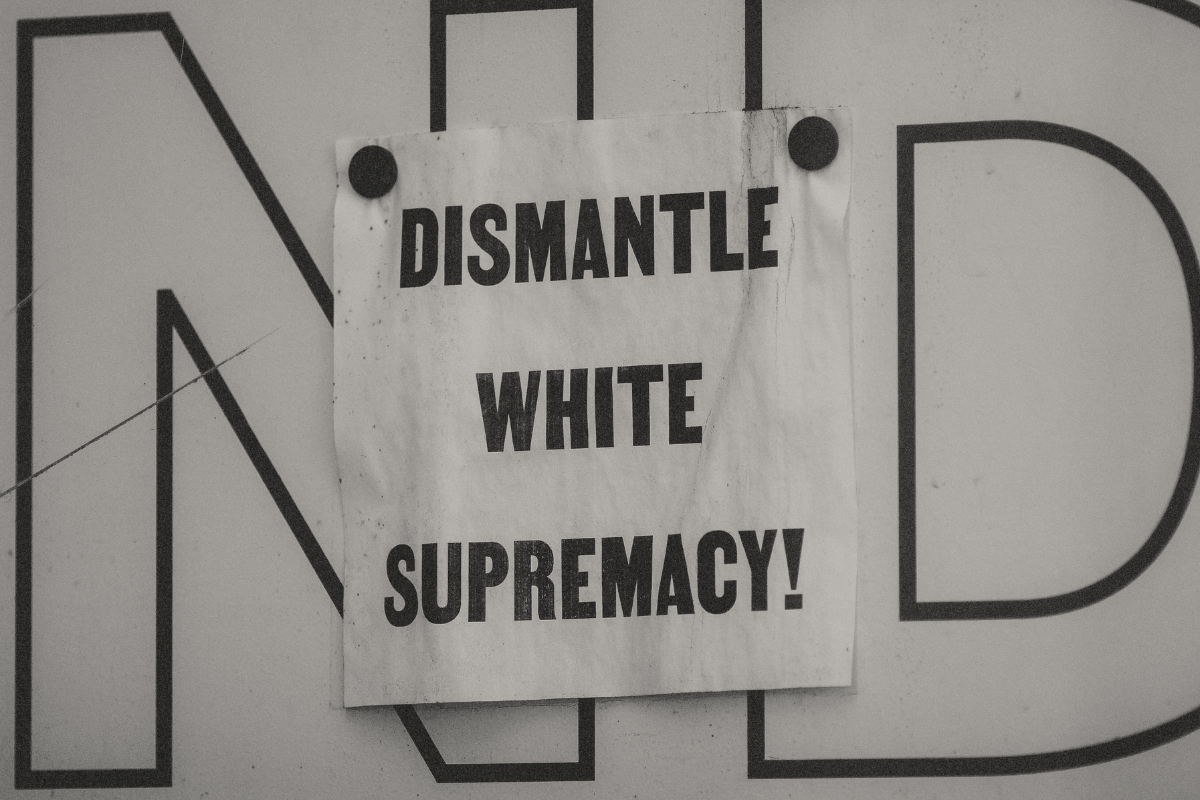
Over the last month we’ve been in a lot of conversations about our beyond white supremacy culture programme and I think the shift we are witnessing in our conversations about this reflects this ‘fragility of belonging’ moment.
Many people are worn out from the way organisations are continuing to perpetuate harm in all kinds of ways and there is more sophistication in the specificity of things people are seeing as problematic. I have noticed how many talk about sabbaticals/extended breaks/change of roles or careers to recover from burnout from being in environments that no longer align with values. There’s more willingness to reckon with their own active role in replicating issues and no longer wanting to be unintentionally complicit. There’s a definite shift which is positive to see.
If these issues feel familiar to you and you want to learn more about the programme or just chat to us about what's going on for you, or in your organisation, at the moment - please reach out. We're always happy to connect.
what we’re practising

A few leadership practices that matter:
When belonging is fragile, the work of ensuring we have a nuanced understanding of multiple truths in our workplaces, and investing time and energy in repairing trust, is key.
Here are a few practices we believe are becoming more and more important:
Get literate in your real organisational message
Acknowledge where values and lived experience don’t match
Choose transparency over reputation management
Aim for transparency, and when constrained, say what you can
Make repair visible. Accountability can’t only happen behind closed doors
Equip HR for 2026 realities. Authority, training, and leadership backing matter
Practise the hard conversations
Stay connected to how people are really doing
If you need help with any of these practices, we'd love to hear about it - reach out to us, and we'd be happy to set up a time to explore further.
What's resourcing us
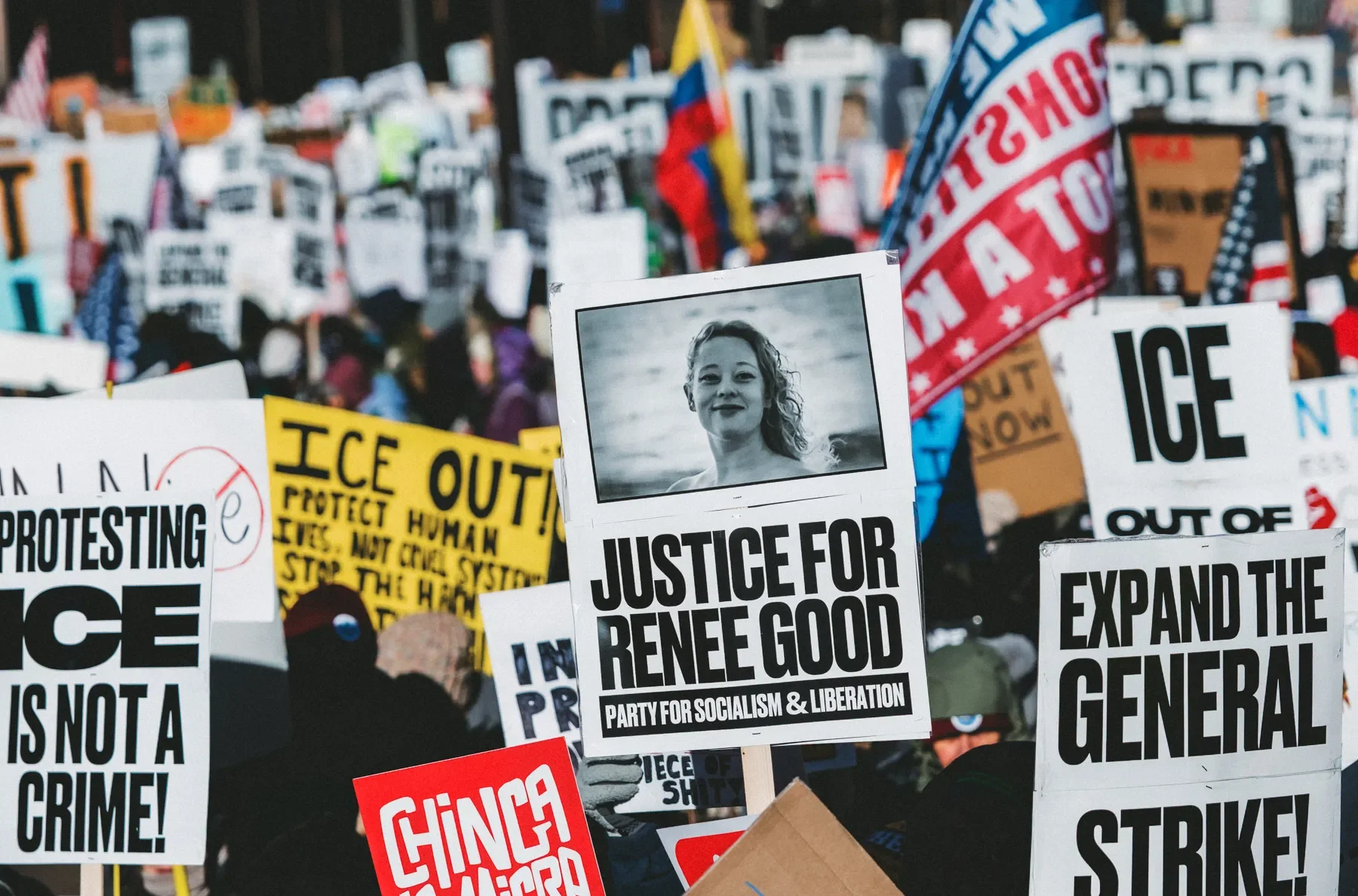
Action in Minneapolis
Letesia is feeling inspired by the organising happening in Minneapolis in response to the violence of ICE - people mobilising around mutual aid, sharing information, protecting one another, and drawing on long histories of resistance. Connecting what’s unfolding now to the historic roots of racism can feel overwhelming and heavy, but it’s also a powerful reminder: we’ve been here before, and we know how to respond.
What’s resourcing us is witnessing people stand up, speak out, take action, and offer what they have - time, care, skills, courage. Alongside this, we’ve been holding a thoughtful piece on supporting young people to process this moment.
The Long Arc of Intimacy
In a very different vein, Eloise has found herself unexpectedly taken in by the new series Heated Rivalry. It offers a love story we rarely see - not because it centres a gay relationship, but because it runs counter to the kinds of relationships we’re encouraged to pursue today. Rather than speed, certainty, or instant gratification, the relationship unfolds slowly over many years, shaped by care, rupture, repair, and deepening understanding.
It centres intimacy and vulnerability, holding belonging as something fragile, negotiated, and continually chosen.